
The Language of the Unseen.....!!
In an unseen world where hidden forces play,
Quirks of fate affected by signal's display.
Tiny tots cloaking their moves,
Unsure uncertain of their real groove.
Deceiting by key to a forbidden door,
The velvet trap for a foreign shore.
The cells dance responding to the changes around;
Through codes and notes, the dialogues profound.
Host molecules as signal and subtle cue,
Rewrites the script as memory through.
From hidden threads, a logic emerge
Met with uncertainty time and verse.
The silent noise, when heard and learnt
Revealing the strength of life obscure!
Fundings
Understanding how tiny organisms make very complicated survival decisions


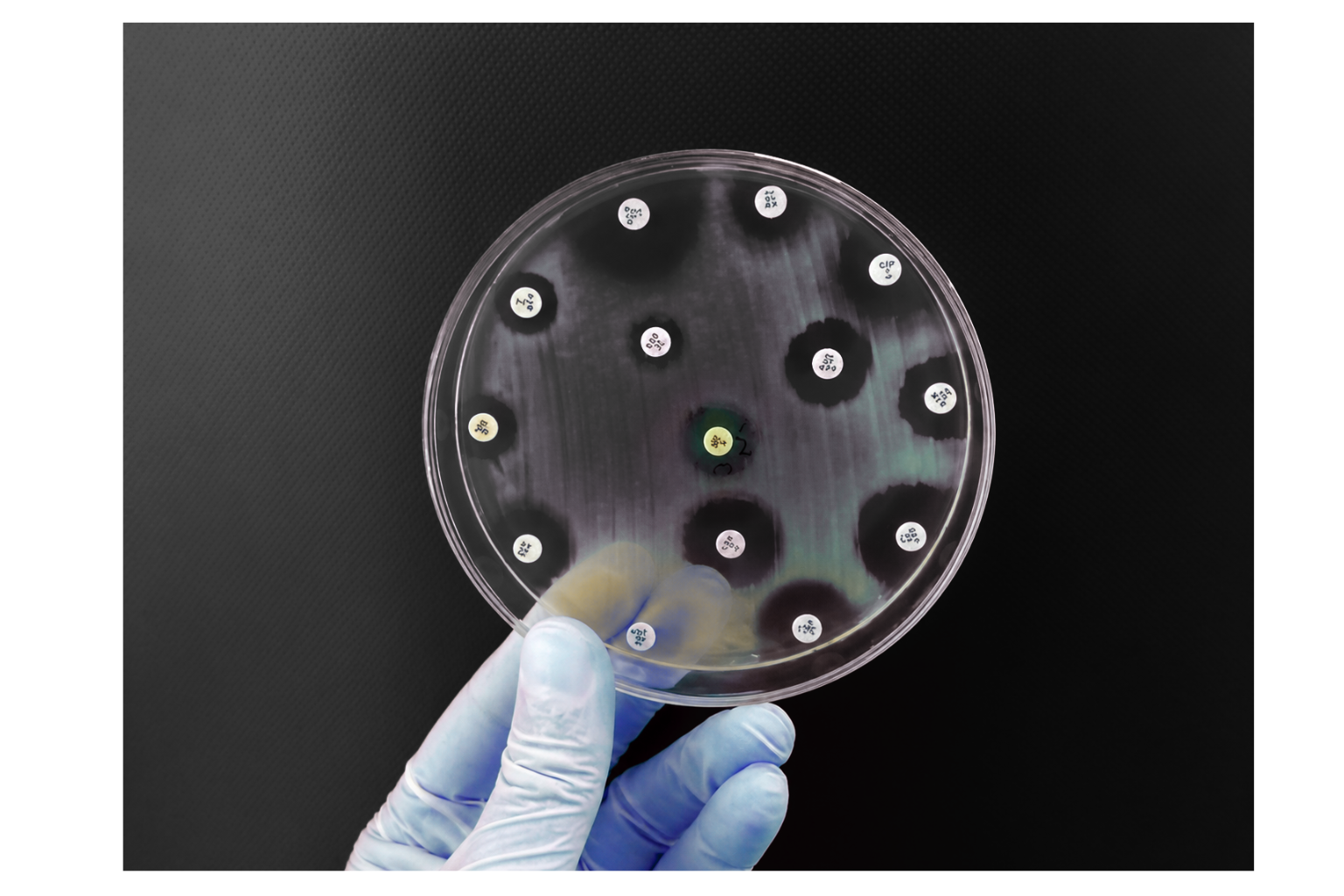
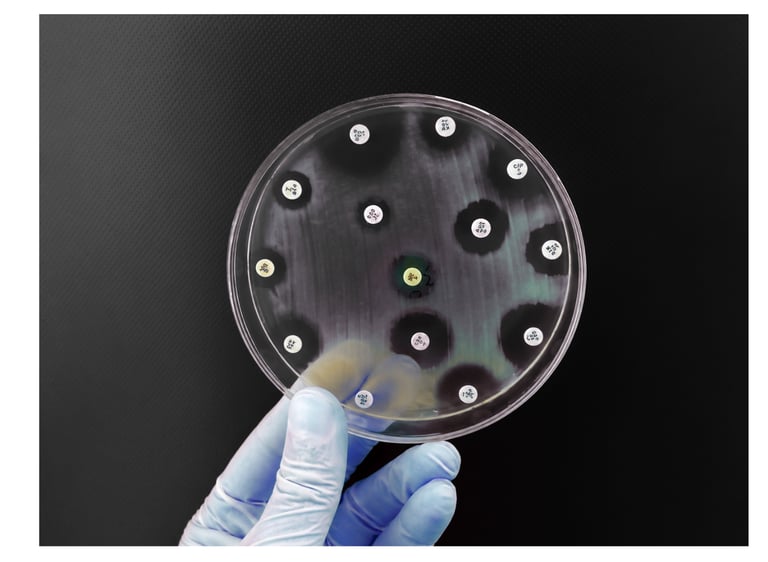
Microbial Cross Talks: Microbial cross talks: Mechanisms of bacterial signaling interference in virulence determinants and pathogenesis
This project explores how microbial communication molecules regulate bacterial virulence and host–pathogen interactions. Focusing on quorum sensing signals, including AI-2, AIPs, acyl homoserine lactones, and polyamines, the study investigates their roles in bacterial pathogenesis, host cellular responses, stress adaptation, and interspecies signaling in Streptococcus pyogenes.
Ramalingaswami Re-entry Fellowship: Department of Biotechnology
PreventIT: Risk Management and Prevention of Antimicrobial Resistance
PREVENT IT is an Indo-European Erasmus+ initiative focused on combating antimicrobial resistance through education, awareness, and capacity building. The project developed interdisciplinary academic modules, online training platforms, awareness campaigns, and living-lab approaches to improve understanding of antibiotic resistance among students, healthcare professionals, and society, promoting sustainable risk management and prevention strategies.
ERASMUS+ : European Union
This project aims to develop an AI-assisted point-of-care diagnostic platform for rapid detection of antimicrobial-resistant ESKAPE pathogens. Integrating machine learning with nanotechnology, machine learning, and lateral flow assays, the study focuses on simultaneous pathogen identification, antibiogram determination, and virulence profiling to enable rapid, accurate, and resource-accessible clinical diagnostics.
PURSE : Department of Science and Technology


Fostering multi-disciplinary artificial intelligence ai-assisted research for health and sustainable environment
This project explores the evolution of bacteriophage receptor-binding proteins and resistance-associated genomic signatures in ESKAPE pathogens. Machine learning-guided analysis of bacterial and phage genomes will be used to identify highly specific targets linked to antimicrobial resistance and virulence for development of next-generation biosensing strategies.
Indian Council of Medical Research
Role of polyamines in the virulence of Neisseria meningitidis
